
Our Lenten Journey

by Rev. Eric Folkerth

lent bulletin image.jpg

“I feel like I have PTSD from the winter storm…”

One way or another, several folks have said this very thing to me in the past few days. We’re trying our best to move on, past the challenges of last week, but we find ourselves getting exhausted and tired easily. We keep replaying the fears of the cold, of burst pipes. We remember things that happened to us, and things we only *feared* would happen.

Either way, it does feel like our whole neighborhood, and state, is moving through a kind of collective PTSD from the winter storm.

As I said in the sermon Sunday, one of the ways to move through this is to share our stories with one another. That’s still challenging during the time of COVID. But as we move through this season of Lent, our goal will be to move back to a spiritual practice of “We, Not Me.” Hopefully, you’ve heard about our weekly Labyrinth Walks. Your staff will be creating videos along each week’s worship theme, and you are invited to come and walk our Labyrinth as a spiritual practice.

Additionally, we have two book study groups that will be meeting via Zoom, as way of moving back to community. 

Finally, very soon, we anticipate returning to outdoor in-person worship.

All these are steps along the way of returning back to some sense of “normalcy.” 

Be gentle and kind to yourself during this time. Understand that between the pandemic and winter storm, we all have a lot of grief to overcome.

But God journeys with us on this path. And so does your church family. The Lenten road may still feel like a wilderness, but if we take the journey, it will lead us to the joy of Easter.

Hold on to this hope.

Grace and Peace,

Eric Folkerth
Wilderness

by Rev. Eric Folkerth

snow_snowstorm_winter_trail_forest_snowfall_season_weather-1153631.jpg!d.jpg

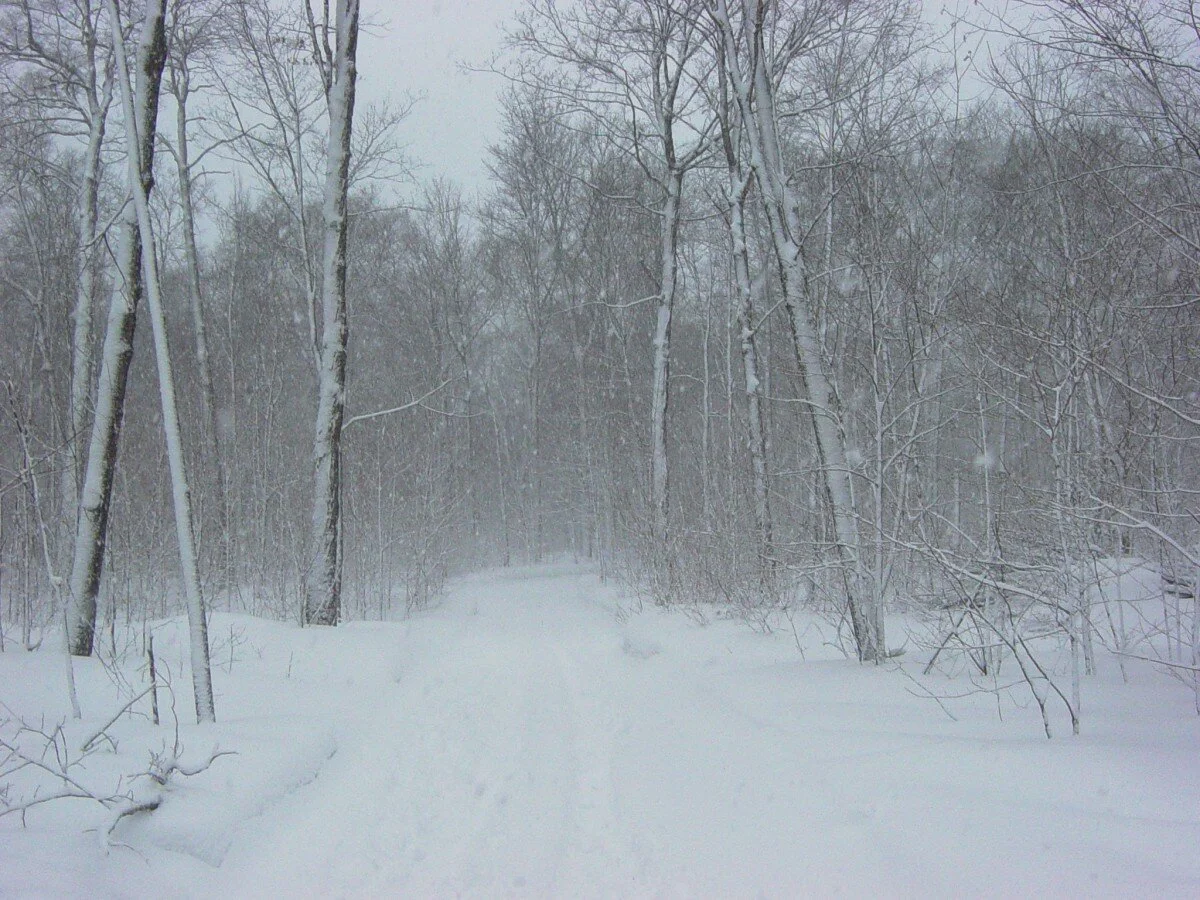
The Gospel lesson this week talks about how Jesus is driven by the Spirit into the “wilderness.” There, he suffers hunger and thirst, and a time of great temptation.

The word “wilderness” appears a significant number of times in these first chapters of Mark. It’s an interesting word in the Biblical Greek. It can, as I’ve said, be translated “wilderness.”

But it can also mean “lonely place apart.”

This week, it feels like we are living this Biblical truth. A natural disaster like none other in our state’s history has driven us to a cold and desolate “wilderness.” And it is, most certainly, a “lonely place.”

Some of our citizens are without basic needs, as I write these words. It’s hard to even find the words to describe the devastation.

I spent a good bit of Tuesday and Wednesday trying to check in with as many of our Kessler Park families as I could. If I failed to connect with you, I sincerely apologize. It’s very clear some of you have been truly suffering these past few days. Your power has been spotty at best. Your pipes are freezing, and you are now without water.

Others of you have faired much better, and in our conversations this week, you have expressed your gratitude for the how this tragic week has gone for you.

The only thing I know to compare this week to would be a hurricane. It’s *similar* to that kind of natural disaster, in that it affects all of us, one way or another. It’s different, of course, because it literally affects our whole state, not just the coast.

I hope you have been inspired by the news of how so many churches, non-profits and our city/county government has been responding to this crisis. There will be much more to do in the future. I hope you are deeply grateful to Ken Kelley. Even in the midst of being without power himself, Ken has made multiple trips to the Church, and to assist some of our own members in need. He is an inspiration to us all.

Mark’s version of Jesus’ “temptation in the wilderness” has one interesting twist that isn’t in every version. It says that while Jesus is enduring his wilderness time of temptation, “the angels waited on him.”

I take comfort in that today. In our “lonely wilderness place” this week —a place none of us want to be— take comfort in the fact that God’s angels will come to us…

In the form of the kindness of our neighbors and friends.

In the form of a call to check in by church members.

In the form of help from so many in our community, doing what we always do…loving and serving God’s people.

Stay as warm as you can, my friends.

We will get through this

Eric Folkerth

We, Not Me

by Rev. Eric Folkerth

Diversity_Matters-hands.jpg

Time and again this year, I’m reminded of the wisdom of John Lennon’s old expression:

“Life is what happens, when you’re making other plans.”

Several weeks ago, your Church staff made a creative plan for Ash Wednesday. Our plan was to have a “drive-in” service on the parking lot. That was before the forecast included freezing temperatures and possible snow.

So, we have again made “other plans,” and will once more simply livestream our worship. But, we will also invite families to pick up small bags of ashes so that you can still participate in our worship.

It somehow seems appropriate that we’re still having to “make other plans,” even as we hope we are drawing near to the end of our pandemic time.

That gets us to our Lenten theme for this year: “We, Not Me.”

The pandemic has forced all of us into a period of self-reflection and self-care. Meanwhile, our national politics continues to show us the too common instinct toward narcissism. For very understandable reasons, we have been focused on ourselves and, in some cases, simple survival.

But Lent is a time when we are invited to “turn a new way” (that’s the literal meaning of the word “Repent”). So this year, our hope is that we will begin to turn again to “We, Not Me.”

We’ll invite you to come to our labyrinth and walk, while meditating on a brief video message from each of our staff members. (More on this elsewhere in the newsletter…)

We’ll also hope that sometime during the season, it will be warm enough again to have outdoor worship on our lawn. Soon after this —if vaccinations continue, and Covid case numbers continue to fall— it’s reasonable to assume we might soon then gather for in-person worship again.

All of this speaks to what seems like a reasonable plan. But—as John Lennon taught us— we remain ready for plans to change if circumstances do.

So, we will turn our hearts back toward “We.” 

What will “We” be, as a Church, once this pandemic ends?

What will “We” be, as a neighborhood?

What will you be, among your family and friends?

Now is the time for a Lenten season where we begin to vision the answers to just these questions.

So, while we always stand ready to “make other plans,” we also are starting to plan for the collective “We” that will be our church’s future.

Join us for this holy time.

Grace and Peace,

Eric Folkerth